Karena berangkat dari Bandung kehabisan tiket Kereta Api (KA) Malabar, Pasundan dan Kahuripan maka kami memututuskan untuk menggunakan KA Matarmaja.
Rincian transportasinya sebagai berikut :
- Bandung - Bekasi Rp.25.000 (*Bus)
- Bekasi - Jakarta Rp. 5.000 (*Kereta Api )
- Jakarta (Pasar Senen ) - Malang Rp. 51.000 (* Kereta api)
- Malang - Tumpang Rp.10.000 (*angkot)
- Tumpang - Ranupane Rp. 40.000 (*jeep/truck)
- Ranupane - Puncak Mahameru - Ranupane Rp. 0 (Jalan Kaki)
- Ranupane - Tumpang Rp. 40.000 (*jeep/truck)
- Tumpang - Arjosari ( Malang ) Rp. 5.000 (*angkot)
- Arjosari - Surabaya Rp.8.000 (*Bus)
- Surabaya - Joyoboyo Rp. 3.000 (*angkot)
- Joyoboyo - Stasiun Gubeng Rp. 3.000 (*angkot)
- St. Gubeng - Bandung (Kiara Condong) Rp. 38.000 (*Kereta Api)
Terus diperkirakan total selama perjalanan pulang pergi kita akan 8x beli makan dan 5x masak.
Tampilkan postingan dengan label Catatan Perjalanan. Tampilkan semua postingan
Selasa, 10 Juli 2012
Kamis, 10 Mei 2012
3 Kawasan Penginapan Murah di Jogja
Tentunya seorang pendaki gunung tak hanya menginap di alam terbuka saja, ketika berkunjung ke kota dan tak mempunyai kenalan atau kerabat maka penginapan yang terjangkau bisa menjadi alternatif untuk beristirahat.
Jogja merupakan salah satu kota yang sering dikunjungi apabila mendaki gunung Merapi, Merbabu, Lawu dan gunung terdekat lainnya. Inilah 3 tempat yang bisa dijadikan referensi untuk menginap di kota Jogja.
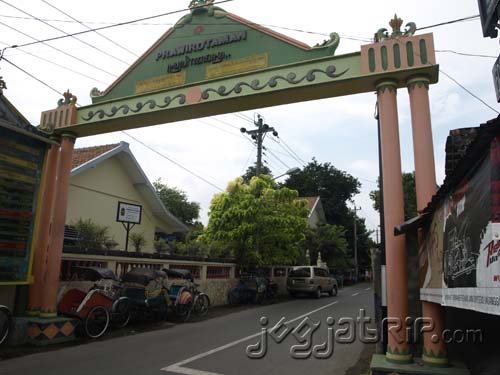
Prawirotaman merupakan sebuah kampung yang memiliki sederet penginapan terjangkau. Lokasinya sekitar 5 km dari pusat Kota Yogyakarta. Kawasan ini juga sering disebut dengan Kampung Internasional.
Penginapan di kawasan ini cukup bervariatif. Anda bisa menyewa kamar mulai dari Rp 50.000 hingga Rp 300.000. Tentu saja, masing - masing kamar memiliki fasilitas yang berbeda.
Selain itu, di sepanjang jalan juga berjejer cafe, toko buku, pasar tradisional, art shop, dan sebuah batu tulis yang tentunya bisa menjadi alternatif wisata.
2. Sosrowijayan
Kampung turis Sosrowijayan merupakan kawasan penginapan terkenal kedua setelah Prawirotaman. Letaknya berada persis di pusat Kota Yogyakarta, sekitar 200 meter dari Stasiun Tugu ke arah barat.
Kampung ini menjadi dua bagian, Sosrowijayan Kulon dan Sosrowiyajan Wetan yang menjadi kawasan penginapan murah. Harga dan fasilitas penginapan juga tidak berbeda jauh dengan Kampung Prawirotaman.
Asyiknya, kampung ini memberikan akses yang sangat mudah ke tempat surga belanja di Yogyakarta, yaitu Malioboro. Di sepanjang jalan juga berderet sentra pembuatan bakpia pathuk, toko oleh - oleh, dan tempat kursus batik.
3. Sosrokusuman
Kawasan ini merupakan perpaduan dari kawasan kampung yang bersebelahan dengan nuansa kota metropolitan. Letaknya persis bersebelahan dengan Malioboro Mall.
Masuk ke kampung dengan banyak penginapan ini Anda akan disambut dengan gapura sederhana yang bertuliskan Sosrokusuman. Penginapannya juga sangat nyaman dengan harga terjangkau. Kebanyakan tidak lebih dari Rp 250.000 per malam.
Sama seperti kampung turis sebelumnya, di sepanjang jalan Anda bisa dengan mudah menemukan kios-kios makanan dan oleh - oleh. Uniknya lagi kampung ini hampir dipenuhi dengan seni Mural yang pastinya memberi suasana yang berbeda.
Jika Anda bingung dengan letak ketiga kampung turis tersebut, Anda bisa menggunakan jasa pengayuh becak. selain bisa bersantai menikmati suasana kota dan harganya yang terjangkau, para pengayuh becak biasanya bercerita tentang sejarah yang dilewatinya.
Akan tetapi, ada beberapa oknum pengayuh becak yang memberikan tarif sangat murah, namun memaksa Anda harus membeli cendera mata di sebuah toko. Berhati - hati dan cermat memilih adalah kunci agar terhindar dari sikap curang oknum tersebut.
Nah, jika Anda mengunjugi Yogyakarta dan bingung mencari penginapan murah yang strategis, Kampung Prawirotaman, Kampung Sosrowijayan, dan Kampung Sosrokusuman sepertinya bisa menjadi jawabannya. Selamat datang di Yogyakarta! sumber
Kamis, 05 Mei 2011
ITINERARY TO CLIMB MOUNTAIN DENALI (McKinley)
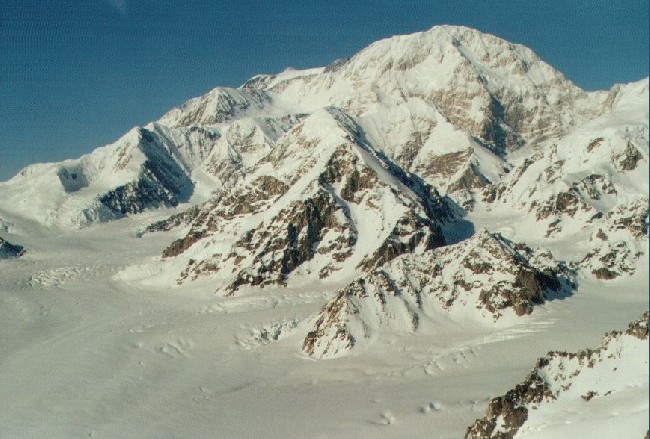
Denali is the highest mountain in North America. The original name of Mount McKinley, Denali or 'The High One' is once again in common usage in Alaska. Denali is situated 150 miles (250km) to the north of Anchorage in the Alaska Range, close to the Arctic Circle. It rises dramatically above the tundra of the National Park, dwarfing the surrounding peaks.
Despite its fearsome and well-justified reputation for bad weather, the mountain draws climbers from all over the world. Several hundred people attempt the climb each year, attracted by its status as one of the Seven Summits, its accessibility and the relatively low technical demands of the West Buttress Route. However, it is wise not to underestimate the undertaking, as Denali is a very big mountain, offering an experience more akin to the larger Himalayan giants. Dealing with the commitment, physical endurance, altitude and Arctic cold and storms, provides an incredible challenge.
Favourite Route
The West Buttress is the most popular route on Denali. It lacks technical difficulties, but you should not allow yourself to be deceived by that. Denali is a big, difficult mountain by any standard and it does not take much for it to turn an otherwise simple situation into an epic. The climb itself starts easily, following what is usually a well-beaten trail up the Kahiltna Glacier. The main obstacles, apart from the weather, are crevasses. These are well bridged early in the season, but later (June onwards) they open up considerably and large detours are necessary to avoid them. It is not uncommon for roped teams to have to extricate their members from holes.
There is no technical difficulty on the route until the headwall at 15,000ft. This 800ft, 40-degree ice slope is fixed with 2 ropes (one up, one down) and ascenders (jumars) are necessary. Above the headwall a fine ridge crest provides the best climbing on the route - not difficult, but exposed and giving great views. The summit day is long and varied, culminating in a snow ridge leading to a narrow summit.
Expedition Timing
The Denali climbing season runs from the end of April until the middle of July. Earlier in the season it is colder, but there is more snow cover on the glaciers, making travel easier. Later in the season, it is warmer, but the Kahiltna Glacier can be difficult to navigate, as crevasses open up. This means that you must weave around them and there is a greater chance of falling through weakened snow bridges. Storms are a common feature of climbing Denali and you can get storms at any time during the main climbing period. The early season in 2010 was particularly bad, but this is not necessarily representative of a 'typical' season. The National Park publish statistics, which include the most popular summit days for each year and when most of the summits happen. These are available on the National Park Service website at www.nps.gov/dena/planyourvisit/summaryreports.htm
| Day 1: | Fly to Anchorage. As Anchorage is 9 hours behind GMT, this very long flight is completed in a day. You will arrive at Anchorage in the late evening and overnight in our guest house, a comfortable base for the next two nights. | ||
| Day 2: | Preparations. Your mountain guides will meet you at the guest house the following morning and will brief you on the expedition . This will include an equipment check and most likely a visit to Alaska Mountaineering Hardware (AMH), an excellent climbing equipment shop, which offers a discount to Jagged Globe climbers. There will be time in the evening to sample some of Anchorage's bars and restaurants (Alaskan Salmon is a favourite). Please note that most mobile phones do not work in either Anchorage or Talkeetna, so you may want to buy a phone card. | ||
| Day 3: | Drive to Talkeetna. You will be collected from the guest house in the morning and driven to Talkeetna, a two and a half hour drive to the north. Talkeetna is a small, Alaskan town. On the main street, the 'West Rib' is a good choice for food, with the Fairview Inn being a popular bar, which also has rooms. The Roadhouse is the best choice for breakfast. A visit to the Denali National Park Service Centre includes another interesting briefing, payment of your National Park Fee (this is included in the trip cost, so the guides pay this by credit card) and collection of our 'Clean Mountain Can' (CMC) for human waste. You will then fly to Kahiltna Airstrip at the earliest opportunity. This could mean flying directly out today, or waiting several days in Talkeetna if the weather is very bad. | ||
| Day 4: | Fly to Kahiltna Airstrip. Mostly 4-seater aircraft are fly onto the Kahiltna Glacier, so it can take several flights to get the entire team to Kahiltna Airstrip. This is a wonderful (45 minute) flight, taking off from the Alaskan plain and flying over forest and tundra and on up to the mountains. This is the first time you will be able to appreciate the awesome scale of the Alaska Range, as you fly past mountainsides only a few wingspans away, until breaking through to the vast Kahiltna Glacier. If it is clear, you will have your first good views of Denali. After landing, the team will set up camp close to the airstrip and prepare to move up the mountain. There's a lot to do today from organising loads, to rigging sleds (provided by the airline for your use) for the move to 7,700ft camp tomorrow morning. | ||
| Day 5: | Load carry to 7,700ft camp. For the first day on the ice, the aim will be to carry to the 7,700ft/2,375m camp, at the junction of the North East Fork of the Kahiltna Glacier, at the base of 'Ski Hill'. This will provide your first taste of load carrying and sled pulling. Straight out of camp, you will descend 'Heartbreak Hill', which requires you to rig a brake on your sled, to stop it taking off in front of you! It is becoming more common for teams to 'single carry' this 9Km stretch, which will mean carrying approximately 25Kg on your back and up to 25Kg in your sled. Alternatively, the guides may decide to 'double carry', which will mean depositing a load of food and fuel at the 7,700ft camp and returning back to base camp. Depending on the conditions on the glacier, it may be necessary to use snow shoes on this part of the route. | ||
| Day 6: | Move to 7,700ft camp. If the team has chosen to 'double carry', you will move the rest of your equipment up to the 7,700ft camp and stay there overnight. The majority of the climb will follow this "climb high, sleep low" pattern, whereby the group will carry a load up to the next camp, return to the previous camp for the night and then move up and occupy the higher camp at the earliest opportunity thereafter. Weather will sometimes dictate that the group remain static for several days. At all camps up to 14,200ft camp, the guides will build a ''mid'. This is effectively a small cook tent and seating area, constructed by digging down into the snow and erecting a pyramid-shaped flysheet with a single pole over the hole. A cooking counter, seating and shelving is then fashioned. These 'mids make life on the mountain much more comfortable for our teams, especially in bad weather (though in very bad storms, they will blow down!). The National Park Service will have issued your team with a Clean Mountain Can (CMC), which is used for solid human waste. This is then deposited in a marked crevasse. The CMC goes with the team all the way to High Camp. With many climbers on the West Buttress each season, this level of environmental care is essential and makes for a more pristine wilderness experience. | ||
| Day 7: | Load carry to 11,000ft camp. The team will carry a load to the camp at 11,000ft/3,350m. Today's climbing involves a long haul up 'Ski Hill' to Kahiltna Pass and the head of the Kahiltna Glacier. Even if it is an overcast day, the reflected sunlight can be fierce, so make sure you cover all exposed skin. Some people camp just before Kahiltna Pass, though it is especially prone to snow accumulation in bad weather, so it is advisable to continue to 11,000ft camp at the base of Motorcycle Hill. The route bears right before Kahiltna Pass and heads up the actual West Buttress of Denali. As you approach camp at 11,000ft, you can expect to feel the altitude for the first time. You will deposit loads here before the 7Km return journey back to 7,700ft camp. | ||
| Day 8: | Move to 11,000ft camp. Today, you will move up and occupy the 11,000ft camp. This is one of the most sheltered camps on the mountain, though there are plenty of hidden crevasses in camp, so make sure you keep within the confines of your camp site, unless you are roped up. | ||
| Day 9: | Rest day. The team will take time to re-organise supplies and establish a cache for snowshoes, as these are not required above 11,000ft. Any unwanted items of equipment and several days of food and fuel will also be left at this camp for the descent. Above this camp, the terrain becomes steeper, so you will need to wear crampons. Some climbers leave their sleds at 11,000ft camp, as it can be tricky pulling them around Windy Corner, en route to the next camp. However, you should consider that your sled will be useful on the descent, especially as your legs will be tired on the way back down. Also the size of your rucksack might also influence your decision whether or not to take a sled above 11,000ft camp. | ||
| Day 10: | The team starts its ascent of the West Buttress. The initial snow and ice slope above camp is known as 'Motorcycle Hill' and leads to a col, from where there are impressive views of the North East facing 'Fathers and Sons Wall'. From the col, the route heads up more steeply beside rock buttresses to 'Squirrel Point', before flattening out at about 3,700m. If it's not too windy, you can take a break here before continuing up gradually steepening snow slopes to Windy Corner (13,000ft). If it is windy, you will move as quickly as possible on this section. Make sure you have your facemask, goggles and hand warmers easily accessible, as it can be bitterly cold. Windy corner itself can be icy and just beyond it, there are crevasses down the slopes to your right, so make sure you are watching your feet! Initially, the team will aim to cache just around Windy Corner at approximately 13,500ft/4,100m, before returning to the 11,000ft camp for the evening. | ||
| Day 11: | Move up to 14,200ft Camp (also known as 'Basin Camp' or 'Medical Camp'). We will cover the same ground today as yesterday, continuing past our cache for another 200 vertical metres to arrive at 14,200ft/4,330m camp. This is a very large but busy campsite, which is the main springboard for summit assaults. There is a permanent Ranger Station here throughout the climbing season, as well as fixed pit toilets. The team will need to level out tent platforms and build some protective walls from the winds, though not too high in case there is heavy snowfall and you are buried! Typically, you will spend at least four nights here, as necessary acclimatisation, before moving to High Camp. | ||
| Day 12: | Back carry. This is effectively a rest day, as it only takes about 30 minutes to descend to your cache of two days ago, then about 1 hour to climb back up to camp. In the afternoon, the team might like to rope up and take the 10 minute walk out to 'The Edge of the World'. From here there are superb views of the West Rib and the North East Fork of the Kahiltna Glacier (Also known as 'The Valley of Death'). You may even be able to spot a trail leading into the Valley of Death from 7,700ft camp, 6,500ft below, weaving its way amongst the colossal crevasses and debris from the many seracs which threaten this narrow valley. You can also scramble up onto the rocks and pose for photographs, with Mount Hunter in the background. | ||
| Day 13: | Carry cache to the top of the fixed ropes (16,100ft). If the weather is good and the winds not too strong, the team will organise loads to be placed on the ridge, at the top of the Headwall. On the move to High Camp, this cache can be collected en route. Today serves as essential acclimatisation, as well as being an important piece of logistics for getting established at High Camp. It is a tough day. The route out of base camp steepens gradually and it's important to find your rhythm, employ efficient cramponing and pace yourself carefully to reach the base of the fixed lines at 15,500ft. There is an 'up' rope on the right and a 'down' rope on the left. These are put in place by the Rangers and secured with pickets (snow stakes). You will use your ascender on the rope to safeguard upward progress on the 40° Headwall, but your rope team will also remain roped together. Early in the season, you might not notice crossing the bergshrund, but later, it could be a more significant feature. At the top of the fixed lines, the guides will dig a cache, before you descend back to camp for a well-earned meal. | ||
| Day 14: | Rest day. A day of leisure and to refine your gear before the climb to High Camp. | ||
| Day 15: | Move up and establish High Camp at 17,200ft/5,245m. This is the best day of climbing on the West Buttress route. The Headwall should feel easier than a few days ago. At the col, you will pick up your extra gear, before beginning the ridge section. There are some pickets in place on the ridge, so your roped team will clip these as you go. The ridge provides really enjoyable airy climbing in a fabulous setting. The route weaves between some excellent granite, with sections where it is exposed on either side. 'Washburn's Thumb' is a prominent gendarme, which has a short section of rope fixed to pass it, so keep your ascender handy. The last few metres to enter camp involves crossing a steep snow slope, so it's important to stay alert. On arrival in camp, make sure you take some time to rest, as with the 1,000m gain in altitude, you are likely to make yourself feel ill if you rush around. However, this is Denali and there is work to be done! High Camp is very exposed to storms, so snow walls need to be built tent-high. Take time to hydrate before assisting the guides as much as you can with the building work. | ||
| Day 16: | Rest day. The team will spend the day around camp, making sure the tents are secure and protected and resting before the summit bid. You will also want to organise your clothing and food for summit day. If you have not insulated the head of your ice axe, do it now! In the evening, the views south across the Alaskan Range are quite simply breathtaking. | ||
| Day 17: | Summit day. Leaving camp early, the group will make the long rising traverse across snow to Denali Pass at 18,100ft/5,545m. This section is protected by pickets, so you need to be ready to clip in and out of these. From Denali Pass, the route bears right, steeply at first, then up a very long but low-angled snow and ice slope, between rock buttresses to Archdeacon's Tower on the edge of the summit plateau. A short descent from the top of this leads on to 'The Football Field' beyond at c6,000m. From here, you will climb steep snow slopes onto the summit ridge, which takes about 20 minutes to follow to the summit of Denali and the highest point in North America. On the descent, once you reach the Football Field, it is relatively quick to make it back down to Denali Pass, before care must be taken on the steep slopes leading back down to High Camp. The round trip from High Camp to the summit and back is between 8 and 14 hours, depending on conditions and the team's fitness. | ||
| Day 18-20: | Spare 'weather' days. Typically, these days will be used up at some point during the expedition due to bad weather, when the team will be unable to move on the mountain. | ||
| Day 21: | Descend to 11,000ft camp. It can take a while for the team to organise themselves to descend from High Camp, but we should aim to be away by midday. You will descend to the 14,200ft camp and retrieve a cache of food and equipment. It is typical to descend all the way to 11,000ft, but this greatly depends on the strength of the team and the weather conditions. Loads can be heavy today, especially from 14,200ft to 11,000ft, so be mindful of blisters as this could spoil your last day on the glacier. At 11,000ft camp, the guides will dig up our cache and retrieve snow shoes, and any sleds. | ||
| Day 22: | Descend to Kahiltna Base Camp. It should take about 7 hours to descend to base camp and the airstrip, so the team will want to make an early start so as to increase their chances of flying off the glacier today. Crevasses on the lower Kahiltna Glacier may have opened up during your time on the mountain, so you must be vigilant with ropework. The final hour involves pulling sleds up the aptly named 'Heartbreak Hill' to arrive at base camp. The guides will check in with the Ranger to organise a flight back to Talkeetna as soon as possible. | ||
| Day 23: | Return flight to Talkeetna. If we were unable to fly off the glacier yesterday, we would hope to today. After three weeks in the mountains, the impact of flying across the Tundra and seeing the green of the trees is something to look forward to. On touching down in Talkeetna, it is not uncommon to feel somewhat 'out of sorts' as you come to terms with arriving back in civilisation! Time for a shower (try the Hostel, just down the road from the airstrip) and time to visit the West Rib for a well-deserved meal and perhaps a glass of beer or two. A bunkhouse night is included in the cost of the trip, or you may opt to stay at one of the hotels in Talkeetna, if you've had enough of your sleeping bag. | ||
| Day 24: | Return to Anchorage. The team will check out with the National Park Service and wait for the transfer to collect us and take us back to Anchorage. The guides will help arrange guest house accommodation back in Anchorage. In Anchorage, there is just enough time to celebrate the expedition at one of the restaurants downtown, before collapsing into bed. | ||
| Day 25: | An early morning start for the flight back home. | ||
| Day 26: | Those flying back |
ITINERARY TO CLIMB MOUNTAIN KILIMANJARO
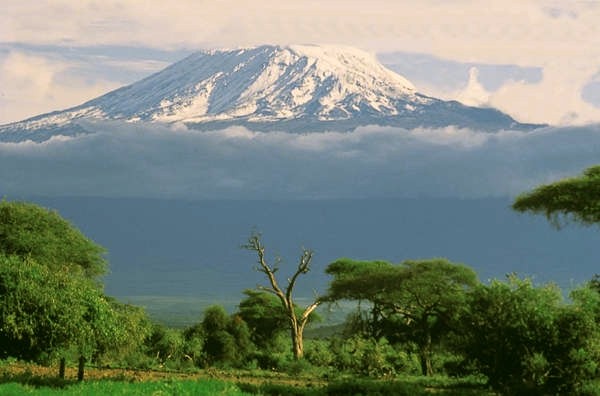
Mt. Kilimanjaro is the highest mountain in Africa and fourth highest of the Seven Summits. It is among the tallest freestanding mountains in the world rising 4,600m (15,100') from its base. With all this in mind Kilimanjaro is an impressive mountain to say the least and it is the arguably one of the most popular climbs in the world let alone Africa.
With its three distinct volcanic cones: Kibo 19,340 feet (5895 meters, the Uhuru Peak); Mawenzi 16,896 feet (5149 m); and Shira 13,000 feet (3962 m). Uhuru Peak is the highest summit on Kibo's crater rim. Mount Kilimanjaro is also among the tallest freestanding mountains in the world, rising 4600 m (15,100 feet) from the base.
MOUNTAIN FACT FILE - KILIMANJARO: UHURU PEAK 5,895M (19,340'). Approximately 450km north east of Dodoma on the Kenyan border. Grade 1C.
MOUNTAIN PROFILE: Kilimanjaro is an inactive stratovolcano that has three distinct volcanic cones: Kibo 19,340 feet (5895 meters, the Uhuru Peak); Mawenzi 16,896 feet (5149 m); and Shira 13,000 feet (3962 m). Kibo or Uhuru Peak is the highest summit on Kibo's crater rim.
MARANGU ROUTE DESCRIPTION:
This is the classic most straight forward route up Kilimanjaro staying in mountain huts along the way. You will be fully supported during this exhilarating six day climb by cooks, guides and porter. You will start the route through lush green rainforests, progress onto the arid desert of the upper slopes before you hit the steep snow covered top of Uhuru peak where you will walk past high altitude glaciers.
THE ASCENT: Normally a 12am start from the Kibo hut at 4,200m. The first part of the ascent is a six hour steep ascent over indistinct rock/shale trails to Gilman's point at 5,685m (this is where the majority of climbers turn around). From here it is gets easier but it is still a further two hours to summit. Coming down you have to progress to the hut below Kibo due to the new climbers taking your place in Kibo. The decent takes a further 4-5 hours. Climbing this mountain on the summit day entails about 14-15 hours of sustained effort at high altitude.
MOUNTAIN PROFILE: Kilimanjaro is an inactive stratovolcano that has three distinct volcanic cones: Kibo 19,340 feet (5895 meters, the Uhuru Peak); Mawenzi 16,896 feet (5149 m); and Shira 13,000 feet (3962 m). Kibo or Uhuru Peak is the highest summit on Kibo's crater rim.
MARANGU ROUTE DESCRIPTION:
This is the classic most straight forward route up Kilimanjaro staying in mountain huts along the way. You will be fully supported during this exhilarating six day climb by cooks, guides and porter. You will start the route through lush green rainforests, progress onto the arid desert of the upper slopes before you hit the steep snow covered top of Uhuru peak where you will walk past high altitude glaciers.
THE ASCENT: Normally a 12am start from the Kibo hut at 4,200m. The first part of the ascent is a six hour steep ascent over indistinct rock/shale trails to Gilman's point at 5,685m (this is where the majority of climbers turn around). From here it is gets easier but it is still a further two hours to summit. Coming down you have to progress to the hut below Kibo due to the new climbers taking your place in Kibo. The decent takes a further 4-5 hours. Climbing this mountain on the summit day entails about 14-15 hours of sustained effort at high altitude.
Your Outline Itinerary
Day 1: ARRIVAL DAY IN MOSHI. Day 2: HIKE FROM THE MARANGU GATE (1,980m) TO MANDARA HUT (2,700m). Approx 12
kms in 5 hours.
Day 3: HIKE FROM MANDARA HUT (2,700m) TO HOROMBO HUT (3,720m). Approx 15 kms
in 6 hours.
Day 4: ACCLIMATISATION DAY AT THE HOROMBO HUT (3,720m).
Day 5: HIKE FROM HOROMBO HUT (3,720m) TO KIBO HUT (4,700m). Approx 15 kms
in 6 hours.
Day 6: SUMMIT DAY. HIKE FROM KIBO HUT (4,700m) TO UHURU PEAK AND DESCEND
BACK DOWN TO THE HOROMBO HUT VIA KIBO HUT (5,895m).
Day 7: HIKE FROM HOROMBO HUT (3,720m) TO MARANGU GATE (1,980m).
Day 8: DEPARTURE DAY.
Minggu, 10 April 2011
Melangkah Menuju Lembah Kasih Mandalawangi
![]() |
| Add caption |
Jum'at 08 April 2011 adalah hari dimana akhir segala persiapan untuk mencapai puncak Gunung Pangrango yang sudah kami impikan selama ini, kami semua berjumlah 18 orang yg berasal dri 3 kota, Sukabumi, Jakarta dan Bandung. dari Bandung terdiri dari 2 team, team saya diantaranya Andi, Tafin dan Ruby berangkat menggunakan kereta api ekonomi dari padalarang menuju Cianjur sekitar pukul 08.00 WIB, sedangkan team yang kedua diantaranya Bagaz, Wanda, Melly, Maliq, Rizkar dan Muti berangkat pukul 15.00 menggunakan bus. Team Sukabumi diantaranya Ipenk, Dado, Ahonk, Aldi, Kodew dan Iki berangkat pukul 13.00 WIB sedangkan dari Jakarta, Bolang dan Nomo brangkat sekitar pukul 22.00 WIB
Team saya tiba di stasiun Cianjur sekitar pukul 10.30 WIB dilanjutkan dengan mencari warung nasi dikarenakan cacing-cacing di dalam perut kami telah berdemo menuntut jatah sarapan paginya ha...haa...haa..setelah selesai sarapan kami pun membeli beberapa kebutuhan yang lupa tidak terbawa sejak awal, kemudian kami menumpang bus yang arahnya menuju Puncak Bogor ongkosnya Rp. 8.000, satu jam kemudian kami telah sampai di daerah Cibodas kami pun turun dari bus dan mencari Mesjid untuk menunaikan Shalat Jum'at, kami pun menemukan mesjid yang biasa kami singgahi setiap kali akan mendaki di gunung Gede, dari dulu ini Mesjid saya anggap unik karena khotbah yang disampaikan dalam bahasa arab jadi Jum'atan pun tidak lebih dari 15 menit hahahha...
Dilanjutkan dengan menumpang Angkot berwarna kuning kami pun menuju Kebun Raya Cibodas dengan ongkos Rp.4000 setelah sampai di Kebun Raya Cibodas kami pun beristirahat di warung Mang Idi yang telah kami anggap sebagai base camp. Kami berempat beristirahat sambil menunggu datangnya kawan-kawan lainnya dengan main kartu remi tak terasa telah 2 jam kami bermain kartu akhirnya saya memutuskan untuk tidur saja karena cuaca terasa sangat sejuk sehinnga timbulah hasrat untuk memejamkan mata. Sekitar pukul 17.00 tibalah team Sukabumi, karena pertama kali bertemu kami , Ipenk sempat memastikan dulu bahwa saya adalah Hadi dari team OTW Bandung kami pun saling berkenalan sesama anggota team lainnya. setengah jam kemudian Bagaz dan anggota team lainnya datang.
Selama 3 jam kami berbincang santai perut saya pun terasa lapar dan saya pun memesan nasgor yang tersedia di mang Idi plus teh manis sebagai minuman penghangat, mungkin karena terlalu lama menunggu Nomo dan Bolang kebanyakan kawan-kawan telah terkapar terbuai dalam mimpi dalam dinginnya cuaca malam itu, yang masih bangun hanya saya Ipenk dan Ruby kami terlibat pembicaraan cukup serius mengenai Tuhan yang tak disangkal lagi keberadaanya.
Tanpa terasa 3 jam kami serius terlibat dalam pembicaraan tersebut akhirnya Nomo dan Bolang datang dengan wajah tanpa dosanya hehehehhe, Bolang pun memesan makan dan kawan-kawan lain menjadi terbangun dan melakukan persiapan ulang untuk pendakian.
Sabtu, 09 April 2011
Jam menunjukan pukul 02.00 WIB dini hari, semua anggota Team telah berkumpul dan bersiap untuk pendakian diawali dengan briefing lalu berdoa mulailah langkah demi langkah masing-masing anggota team menuju Puncak Pangrango yang pada saat itu tertutupi kabut pekat yang tak dapat terlihat keberadaan puncaknya, 15 menit kemudian tibalah kami di pos pendaftaran untuk memberikan SIMAKSI dan lapor bahwa seluruh anggota kami telah siap dan sesuai dengan peraturan memasuki wilayah konservasi Taman Nasional Gunung Gede-Pangrango. Ijin pun diberikan oleh petugas TNGGP kami pun mulai melanjutkan perjalanan, butuh waktu 70 menit sampai ke pos Panyangcangan selama perjalan dari pos pendaftran sampai Panyangcangan lumayan untuk pemanasan, karena tracknya lumayan sedikit menanjak, banyak pendaki menyatakan bahwa pendakian sesungguhnya diawali dari pos Panyangcangan sebab tracknya mulai terasa tanjakan-tanjakan panjang yang menguras nafas dan tenaga dengan sedikit bonus track dan dari Pos Panyangcangan anggota team mulai terpisah-pisah.
Sang surya pun mulai menyingsing remang-remang sinar mentari lumayan sedikit menghangatkan tubuh dan itu menunjukan sekitar pukul 06.00 WIB dan beberapa anggota team telah sampai di pos Air Terjun Panas, sebelum mencapai pos ini team kembali harus meningkatkan konsentrasi dan kewaspadaan karena team harus melewati air terjun yang suhu airnya sekitar 90 derajat celcius ditambah di sisi kanan air terjun adalah jurang yang hanya dibatasi seutas tali baja serta lumut yang menempel di permukaan batu membuat jalan menjadi sangat licin. Di pos air panas beberapa anggota Bagaz berendam sejenak melepas lelah, sebenarnya saya sangat ingin ikut berendam namun sayang saya lupa membawa cd ganti hahahhaha jadi cuma bisa bengong bayangin berendam air hangat yang sangat menggoda.
Setelah beristirahat di pos Air Panas kami melanjutkan pendakian menuju Pos Kandang Batu, lumayan perjalan membutuhkan waktu sekitar 30-40 menit, di pos Kandang Batu kami hanya lewat saja karena kami harus segera menuju Pos Kandang Badak untuk istirahat panjang dan sarapan.
Jam 07.30 WIB saya sampai di Pos Kandang Badak, team "KILAT" ternyata sudah mulai masak untuk sarapan, terlihat diantaranya Andi, Aldi, Tafin, Iphenk, Bolang, Nomo dan tanggota team dari Sukabumi lainnya, team Bagaz hanya terpaut sekitar 10 menit di belakang saya.
SUMMIT ATTACK
Setelah sarapan dan istirahat selama 2 jam di Kandang Badak seluruh team melakukan pendakian kembali menuju Puncak Pangrango, baru berjalan sekitar 10 menit kami tiba di persimpangan anatara Gunung Gede dan Gunung Pangrango lalu kami mengambil arah kanan ternyata dari sini rintangan kian bertambah, selain tanjakan yang semakin curam dengan sisa tenaga yang sangat minim ternyata banyaknya pohon tumbang memperumit jalur pendakian ditambah lagi alur track kurang jelas tertutupi oleh semak belukar sehingga team harus berani untuk menerobos semak-semak yang menghadang.
Di saat saya tertinggal jauh oleh team "KILAT" dan sama jauhnya dengan team yang di belakang, saya hanya berusaha untuk melangkahkan kaki walaupun hanya satu langkah saja, namun mungkin Tuhan mengasihani saya dengan memberikan jalan terobosan sehingga secara tiba-tiba saya dapat berada di depan team dari sukabumi yang awalnya lebih depan dari saya, dengan sedikit sombong saya mentertawakan mereka (hheheheehhehe...sory y sob gw dluan), tibalah kami di tempat istirahat terakhir menuju puncak, ternyata team "KILAT" lagi-lagi telah sampai dengan "ramahnya" heheh,....hehehhe menawarkan segelas teh hangat dan itu sangat berarti buat saya yang kelelahan.(thx maz Andi)
![]() |
| KOKI TERBAIK OTW xixixiixix :) |
Setelah habis segelas teh manis maka seluruh anggota team kembali mendaki menuju puncak walaupun pohon tumbang telah berkurang namun licinnya jalan membuat kesulitan baru menggapai puncak, kira-kira membutuhkan waktu 40 menit untuk sampai tugu puncak, dan akhirnya dengan rasa haru dan bahagia menyelimuti perasaan kami tiba di puncak Pangrango tepat pukul 14.00 WIB. (Hooooreeee...) ternyata benar bukan fisik saja yang dibutuhkan untuk sampai di sini tapi mentalitas yang tinggi wajib dimiliki setiap pendaki.
MANDALAWANGI WE ARE COMING
Setelah takjub melihat dinding kawah gunung Gede dari sini kami melanjutkan perjalan turun menuju Lembah Mandalawangi, dengan teriakan-teriakan panggilan dari team "KILAT" kami berusaha secepat mungkin untuk segera sampai dengan tenaga ampas yang tersisa dan 15 menit kemudian sampailah kami di akhir tujuan dari pendakian ini. rasa takjub menyergap kembali jiwa kami yang melihat keindahan hamparan luas dan dihiasi oleh bunga Edelweis.
"Alhamdulillah" kata itulah yang pertama terucap dari bibir saya seraya mengagungkan keesaan Allah SWT, kami pun segera mengambil bebrapa photo untuk diabadikan, setelah selesai photo-photo kami langsung membangun tenda dan sebagian menyiapkan masakan untuk santap siang.
Karena rasa kantuk yang tak tertahankan setelah tenda selesai saya meminta ijin ke Andi untuk tidur duluan, dengan menarik sleeping bag saya tertidur dengan lelapnya dan alhamdulillah , saya kembali dibangunkan Nomo untuk makan, hwhehehheh sangat terharu saya dibangunkan untuk makan, masakan Andi memang mantap mengisi perut yang sudah keroncongan ini.
Selesai makan ternyata tenda team lain sudah sepi tampaknya mereka terlelap dalam tidur, saya dan Bolang keluar tenda untuk mencoba membuat api unggun walaupun sebenarnya dilarang dalam peraturan, namun sayang api belum menyala ternyata rintik hujan mematahkan niat kami untuk menyalankan api unggun, kami pun kembali ke tenda untuk melanjutkan tidur.
Minggu, 10 April 2011
Udara dingin membuyarkan mimpi lelap saya sekitar pukul 05.30 WIB, saya bangun dan melakasanakan tugas yang menjadi kesepakatan bahwa tugas saya mencuci semua peralatan masak dan makan, begitu menyentuh air ternyata sangat dingin serasa tangan tertusuk jarum-jarum sampai tulang.
Begitu selesai mencuci seperti biasa Andi langsung memasak untuk keseluruhan anggota team, setelah selesai sarapan pagi kami pun bergegas untuk pulang.
Dengan berharap kami bisa kembali ke lembah ini, pukul 10.30 WIB kami mulai meninggalkan mandalawangi. dan tiba di mang Idi sekitar jam 16.00.
Selasa, 13 Oktober 2009
GEDE MOUNTAIN TRACK
Duration : 3 days / 2 nights
Start/end : Bandung, West Java
A traverse climb the Mt. Gede ( 2,958 M above sea level) from Cibodas Gate to the summit and down to the Gunung Putri Gate, before transfer back to Bandung.
Descriptive day to day program :
DAY 01 : BANDUNG - CIBODAS - KANDANG BADAK
Pick up then transfer to Cibodas highland for about more or less about 3 hours. Upon arrival in Cibodas then walk up hill on the paved road next to a Golf Course to Cibodas Gate to start hiking under thick jungle canopy clearly marked trails with regular rest point for about 4 - 5 hours. Overnight in tents at Kandang Badak Campsite for acclimatization (L,D).
DAY 02 : MT. GEDE SUMMIT (2,958 M ASL) - ACCLIMATIZATION
Acclimatization of Mt. Gede (2,958 M ASL). Free time at your own leisure (B, L, D)
DAY 03 : MT. GEDE SUMMIT (2,958 M ASL) - MT. PUTRI - BANDUNG Early in the morning from Summit of Mt. Gede (2,958 M ASL) return down to Kandang Badak Campsite for breakfast then continue descent to Gunung Putri. Arrive In Gunung Putri, transfer by Air-conditioned car return to Bandung. Lunch on the way to Bandung, West Jave Style (B,L)
Minggu, 11 Oktober 2009
Mountain Hiking : Mt. Burangrang
Hello everyone,
Nailed on the tree a word “PUNCAK” which mean summit, that kind of signs is very common along the trail to guide the hikers to the right trail. On top of it is SATGANA, Task Force for Alert Disaster, the organization who provides this signs along the trail.
When I started to read some of the runner’s blog, i realized that i’ve been missing some importants and extraordinary running events lately, no to mention the boodle fight by the BaldRunner, the urban run by the Hardcore Runners last sunday and some races, arghh…
anyhow, this is my story…
It was last July 31 I had mountain hiking in Bandung Indonesia. I start the run at 1190masl. The picture above was taken in the campus of Jendral Achmad Yani University.
This use to be a small store where campers could enjoy hot coffee or noodles or just some refreshments before or after the camp out. To my surprise that morning i saw a permanent little house, security post, to be exactly, replacing the small store. The security then told me that I could not proceed to the lake of Situl embang. The area is closed until further notice. Usually this area would be close to the public if there is an activity from the Special Force. FYI: this area belongs to the Indonesia Special Forces Commando a.k.a KOPASUS. Close to the lake of Situlembang is the training area of this special force where we could find barracks.
You could see behind me, far below is little road that leads to the lake.
Nailed on the tree a word “PUNCAK” which mean summit, that kind of signs is very common along the trail to guide the hikers to the right trail. On top of it is SATGANA, Task Force for Alert Disaster, the organization who provides this signs along the trail.
Pictures above were taken just before the summit. You could see the small vegetation is dominating the trail. The weather was freezing here. Not so windy but foggy. On the right side is a cliff, its depth is enough to send you to the grave if you fall.
…and finally summit of Mt. Burangrang huuuuh I'm tired....
My next mountain hiking would be in Mt. Gede-Pangrango
Langganan:
Komentar (Atom)